
Top-Rated Products for Efficient Siding Service Delivery
Learn about the essential tools and supplies that help you complete siding projects faster and with high quality.
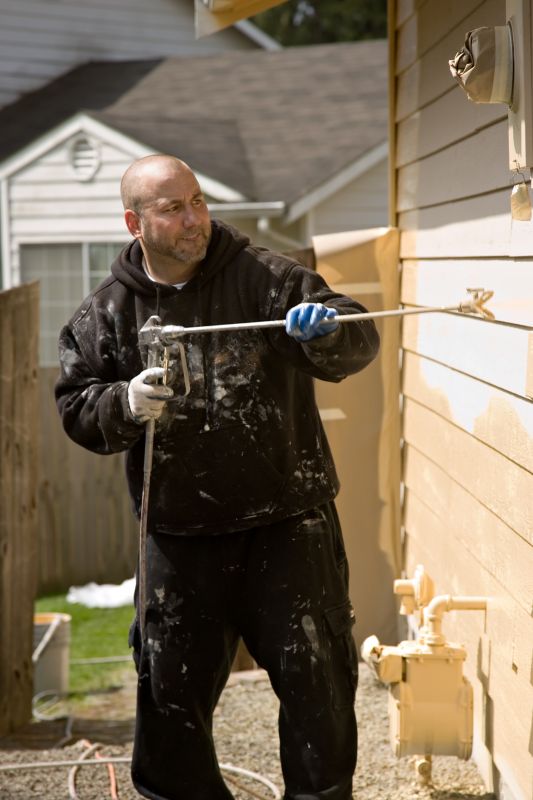 Siding service is a crucial aspect of home maintenance and enhancement, providing both aesthetic appeal and protective qualities for your property. Selecting the right products for siding involves understanding the various materials and tools available to ensure durability, ease of installation, and long-term performance. In Columbia, MD, homeowners and contractors alike prioritize quality and reliability when choosing siding products to withstand local weather conditions and architectural styles.
Top Overall Option
Premium Siding Panels
Premium siding panels are versatile and designed to provide durable protection along with a polished appearance. They are available in various materials such as fiber cement, composite, and high-quality vinyl, offering options for different budgets and aesthetic preferences. These panels typically feature weather-resistant coatings and easy installation features, making them a popular choice for many siding projects. Their adaptability allows them to suit a range of architectural styles, and they often require minimal maintenance over time.
Types of Products For Siding Service
Vinyl Siding
Vinyl siding is a popular, low-maintenance option available in numerous styles and colors, suitable for various home exteriors.
Fiber Cement Panels
Fiber cement panels offer a durable, fire-resistant alternative that mimics the appearance of wood or masonry.
Wood Siding
Wood siding provides a classic look with natural aesthetics, requiring regular upkeep for longevity.
Aluminum Siding
Aluminum siding is lightweight and resistant to rust, suitable for various architectural styles.
Engineered Wood Siding
Engineered wood combines the appearance of real wood with enhanced durability and resistance to pests and moisture.
Composite Siding
Composite siding integrates multiple materials for improved strength, durability, and design flexibility.
Stone Veneer Siding
Stone veneer offers a natural stone appearance with lighter weight and easier installation.
Metal Siding
Metal siding, including steel and zinc options, provides a sleek look and high resistance to weathering.
Insulated Siding
Insulated siding features a foam backing for improved energy efficiency and added exterior protection.
PVC Siding
PVC siding is a cost-effective, weather-resistant material suitable for various styles.
Rubber Siding
Rubber siding is flexible and impact-resistant, often used in commercial or industrial applications.
Stucco Siding
Stucco provides a textured finish with excellent durability and thermal properties.
Popular Choices
Vinyl siding remains a widely chosen material for its affordability and variety of styles.
Fiber cement is favored for its durability and resistance to elements, often mimicking natural materials.
Engineered wood offers a balance between appearance and resilience, gaining popularity among homeowners.
Metal siding is appreciated for its modern look and long-lasting performance.
Insulated vinyl combines energy efficiency with easy maintenance, making it a trending choice.
Stone veneer is popular for adding a natural and upscale look to exteriors.
Aluminum siding continues to be a practical, lightweight option with a sleek appearance.
Composite siding is gaining popularity due to its versatility and durability.
Stucco remains a favorite for its textured finish and classic appeal.
PVC siding is favored for its affordability and weather resistance.
Rubber siding is increasingly used for its impact resistance and flexibility.
A wide range of products exists to meet different siding needs, from traditional materials like vinyl and wood to modern options such as fiber cement and composite panels. Each material offers unique benefits, including resistance to moisture, pests, and UV damage, as well as varying installation methods. Proper selection and application of these products can enhance the curb appeal of a home while providing essential protection against the elements.
Beyond the primary siding materials, the tools and accessories used during installation are equally important. These include specialized fasteners, sealants, and underlayment products designed to improve installation efficiency and siding longevity. Investing in high-quality products and understanding their specific applications can help achieve professional results and extend the lifespan of the siding system.
Whether undertaking a full siding replacement or a minor repair, understanding the range of available products and their features can guide better decision-making. Consulting with local suppliers and professionals in Columbia, MD, can provide insights into the most suitable options for your specific project, considering local climate conditions and architectural preferences.
Key Buying Considerations
- Assess the climate and weather conditions in Columbia, MD, to select suitable siding materials.
- Consider the architectural style of your home to choose complementary siding options.
- Evaluate the durability and resistance features of different siding products, such as moisture, pests, and UV exposure.
- Determine the maintenance requirements for each siding type and choose accordingly based on your preferences.
- Check the installation process and whether professional help is needed for specific products.
- Review the available color options and finishes to match your aesthetic goals.
- Consider insulation options if energy efficiency is a priority for your home.
- Examine the warranty and lifespan estimates provided by manufacturers or suppliers.
- Factor in the weight and handling requirements of the siding materials for easier installation.
- Research local supplier availability and support services in Columbia, MD.
- Analyze cost versus value, including initial investment and long-term maintenance expenses.
- Ensure compatibility with existing structures, especially during remodeling projects.
- Look for products with proven weather resistance suited to Maryland's seasonal variations.
- Evaluate environmental factors such as wind exposure and potential impact zones.